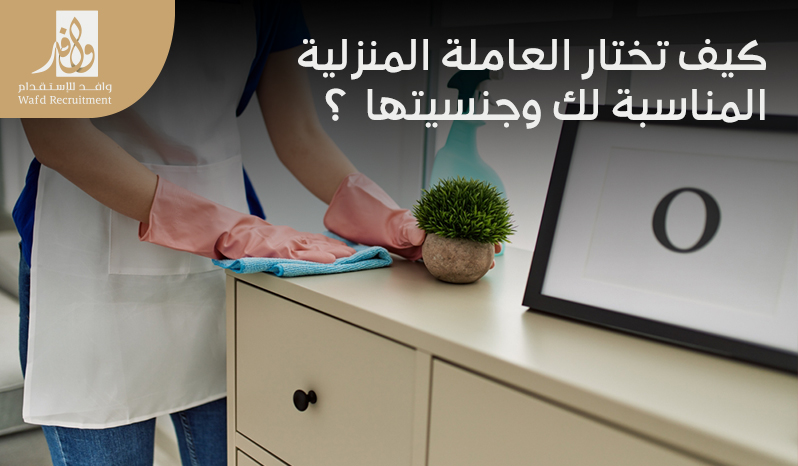
Dealing with a domestic worker is a sensitive matter that requires mutual respect and deep understanding. The matter is not limited to distributing tasks, but also includes building a relationship based on understanding and trust. In light of the increasing reliance on domestic workers, it becomes necessary to understand the sound foundations for dealing with them in a way that preserves their dignity and achieves balance within the home, which contributes to creating a stable and productive environment.
Why is it important to treat a domestic worker with respect?
Respect for the domestic worker helps improve her performance and contributes to creating a positive atmosphere inside the home. It also enhances her sense of belonging and trust, reduces the occurrence of problems, and increases the stability of the worker for longer periods. Also, commitment to humane treatment reflects the moral values of the family and makes it abide by the laws, and when children witness this behavior, they learn to respect others, regardless of their jobs.
Why might problems occur in dealing with a domestic worker?
Problems in dealing with a domestic worker occur as a result of several factors, most notably the lack of clarity in defining tasks from the beginning and poor communication due to language barriers, which leads to frequent errors and misunderstandings.
Also, harsh treatment or lack of respect for her privacy creates tension within the home. In addition, long working hours without rest, ignoring cultural differences, or offering inappropriate wages are all factors that affect the worker’s satisfaction and may push her to run away or quit work.
The best ways to deal with a domestic worker
The best ways to deal with a domestic worker are based on clarifying tasks and human respect, in addition to clarifying the most important rules regarding the home. Here is a breakdown of these rules that guarantee you a long-term professional relationship characterized by calm and achievement:
- The worker was received with a warm welcome and introduced to the house and its people.
- Clarifying tasks precisely and organizing a clear work schedule.
- Determine basic rules and work and rest times.
- Provide instructions regarding children or animals if available.
- Maintain calm and continuous communication with her.
- Treating her with respect that reflects family values.
- Providing a comfortable sleeping place and adequate meals.
- Give regular rest periods.
- Handle errors gently and calmly.
- Emphasizing respect for family privacy.
- Provide constructive feedback and recognize efforts.
Common mistakes in dealing with a domestic worker lead to tension in the relationship
Committing some wrong behaviors may lead to the deterioration of the relationship with the domestic worker and negatively affect her performance and stability at work. The most prominent of these mistakes are:
-
Delaying salary payment: negatively affects the psychological state of the worker, and is considered a legal violation.
-
Shouting or insulting: A completely unacceptable method that creates an environment full of tension and congestion.
-
Assigning her to tasks outside the scope of the contract: constitutes exploitation and makes her feel unfair.
-
Withholding a passport: An illegal act that undermines trust between the two parties.
-
Interference in her privacy: causes tension and makes the relationship lose its mutual respect.
-
The absence of organizing work and rest time: exhausts the worker and affects her productivity.
-
Discussing financial matters in front of her: May create a feeling of discomfort or embarrassment.
-
Neglecting appreciation and praise: reduces her motivation and weakens her belonging to the work environment.
-
Ignoring her health condition: harms her and may expose the family to legal accountability.
-
Weak or absent communication: leads to constant misunderstanding, and it is recommended to hold periodic meetings to follow up on performance and exchange notes.
Signs that indicate a good relationship with the domestic worker
The quality of the relationship with the worker is achieved when there is mutual respect, commitment to tasks responsibly, and effective communication that reflects her happiness and stability at home. The following are the most prominent signs that confirm the success and harmony of this relationship:
- Sharing ideas: The worker sharing her ideas and observations indicates effective communication.
- Tasks: Performing tasks according to expectations and without reminders demonstrates a clear understanding of the role.
- Interest in work: Showing initiative and attention to the details of work demonstrates commitment and a desire to contribute.
- Respect: Respecting boundaries and privacy reflects a relationship based on mutual respect.
- Thanks: Giving thanks and appreciation enhances morale.
- Happiness: The appearance of the worker being comfortable and happy indicates a healthy relationship.
- Adaptation The ability to adapt to changes indicates a flexible and harmonious relationship.
FAQ
How can trust be built with a domestic worker?
- Determining tasks: Clearly defining tasks and responsibilities from the beginning and setting a detailed schedule.
- Encouragement: Encouraging the worker to express her opinions and concerns while listening and supporting.
- Appreciation: Recognizing the worker’s efforts through encouraging words or symbolic rewards.
- Providing comfort: Preparing a comfortable room for rest and providing basic necessities for work.
- Respect for privacy: Providing a private space for the worker to enhance her comfort and respect her privacy.
- Create a cleaning schedule: Create a work schedule that includes rest periods and weekly vacation to maintain Balance.
- Listening: Discuss financial matters clearly to avoid future confusions.
- Respect: Providing an environment free of stress and pressure and treating the worker with respect.
How can I communicate effectively with the domestic worker?
- Use simple words to clearly state tasks and expectations.
- Enhancing understanding by making eye contact and explaining tasks to the worker.
- Listen carefully to the worker’s questions and concerns to reduce misunderstanding.
- Expressing thanks and appreciation for the worker’s efforts to increase her motivation.
- Be patient with the worker at the beginning or when there are language challenges.
- Respect the worker’s customs and traditions to build trust and facilitate communication.
- Communicate in a polite and respectful tone and pay attention to facial expressions and body language.
How do I punish the worker for making a mistake?
- Effective communication through calm dialogue to explain the error in a friendly manner.
- Investigation and analysis before taking any action to determine the causes of the error.
- Providing training and guidance to improve worker skills and reduce errors.
- Determine an appropriate and balanced punishment if necessary, such as reducing wages.
- Giving an opportunity to improve through periodic reviews to motivate better performance.
- Maintain a documentary record of the error and actions taken to monitor performance.
Dealing with a domestic worker does not only reflect on the cleanliness of the home, but also on peace of mind and the quality of daily life. When a relationship is built on respect and understanding, performance is better and stability is longer. That is why reliable companies such as Wafd Company are keen to carefully select female workers and provide clear guidelines that ensure a healthy and balanced work environment for everyone.