



Understanding the Saudi Arabia domestic helper salary is essential when planning to hire reliable household support within your budget. Salaries vary depending on the worker’s nationality, experience, and job responsibilities. With Wafd you can explore domestic worker recruitment options and receive professional guidance to make an informed decision. Read on to discover the key salary factors and how Wafd can simplify your recruitment journey.
What affects Saudi Arabia domestic helper salary?
The Saudi Arabia domestic helper salary depends on several factors, including the worker’s nationality, professional experience, job responsibilities and employment arrangements. Understanding these factors helps employers make informed hiring decisions and choose a suitable domestic worker for their household.
- Nationality: A domestic helper’s nationality can influence salary expectations due to recruitment agreements, training costs, transportation expenses, and market demand.
- Professional Experience and Skills: Experienced domestic helpers with strong household management skills, specialized training, or relevant certifications may command higher salaries.
- Job Responsibilities: The number and complexity of assigned tasks, workload, and additional working hours can affect the salary offered.
- Employment and Accommodation Arrangements: Whether the worker lives with the employer or has separate accommodation can influence overall employment expenses, including housing, meals, and healthcare arrangements.
- Recruitment Agency Fees: Agency fees, commissions, and recruitment-related services contribute to the total hiring cost, although these expenses are separate from the domestic helper’s monthly salary.
- Government Regulations: Applicable labor laws, recruitment policies, and official requirements can affect employment arrangements, permitted fees and employers’ legal obligations.
- Supply and Demand: Local market conditions can influence recruitment costs and salary expectations, particularly when demand for domestic workers increases or availability becomes limited.
- Language Skills and Specialized Training: Domestic helpers with useful language abilities or specialized training may offer additional value to employers, depending on the household’s needs and the role’s requirements.
Average Saudi Arabia domestic helper salary by Nationality
If you are planning to hire a domestic worker, understanding the average Saudi Arabia domestic helper salary can help you plan your household budget. Below is the starting monthly domestic workers salary for each nationality.
Filipino Domestic Helper Salary
- Salaries for Filipino domestic helpers start at SAR 1,500 per month.
Ethiopian Domestic Helper Salary
- Salaries for Ethiopian domestic helpers start at SAR 1,000 per month.
Ugandan Domestic Helper Salary
- Salaries for Ugandan domestic helpers start at SAR 900 per month.
Bangladeshi Domestic Helper Salary
- Salaries for Bangladeshi domestic helpers in Saudi Arabia start at SAR 1,000 per month.
Kenyan Domestic Helper Salary
- Salaries for Kenyan domestic helpers start at SAR 900 per month.
Indian Private Driver Salary
- Salaries for Indian private drivers in Saudi Arabia start at SAR 1,800 per month.
Read also: The best types of domestic workers
Official Salary Payment Deadlines
The Saudi Arabia domestic helper salary must be paid according to the employment contract, usually at the end of each working month.
Employers should transfer salaries through approved payment channels and document payments through the Musaned platform, once the domestic worker has a valid residency permit. Electronic salary transfer has been mandatory for all employers since 1 January 2026, according to the Ministry of Human Resources and Social Development.
Salary payment arrangements during the probation period should follow the applicable contract terms and regulations.
Approved Electronic Payment Methods
When arranging the Saudi Arabia domestic helper salary, employers should understand the available payment methods and applicable documentation requirements. Common payment options include:
- Since 1 January 2026, all employers must transfer the domestic helper salary electronically, so cash payment is no longer an approved method.
- The salary can be transferred to the worker’s personal bank account if she has an active account.
- Employers may use approved digital wallets or banking applications available in Saudi Arabia, where permitted.
- Approved digital payment solutions connected to the Musaned platform can help employers document and track salary payments.
- The Musaned system and supported payment services may provide electronic records or receipts that help protect both the employer’s and worker’s rights.
Steps to Transfer and Document Salaries on Musaned
Documenting the Saudi Arabia domestic helper salary through the Musaned platform helps employers maintain payment records and support transparency in employment arrangements. Follow these steps to document salary payments:
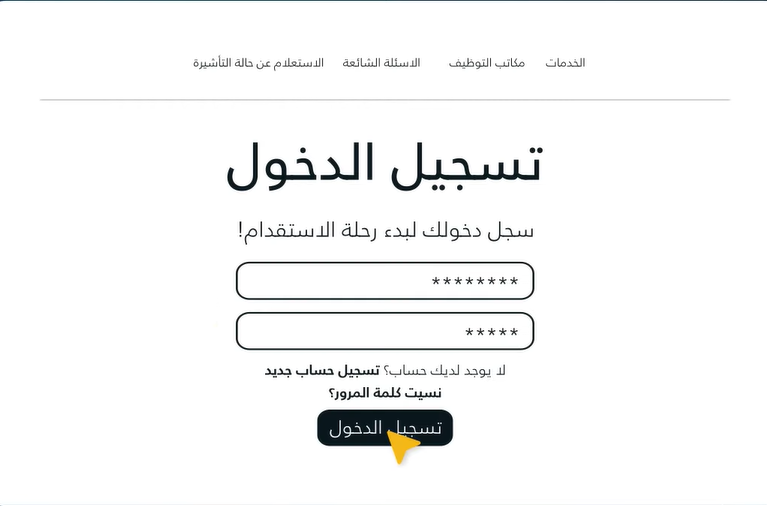
- Visit the Musaned platform and sign in to your account.
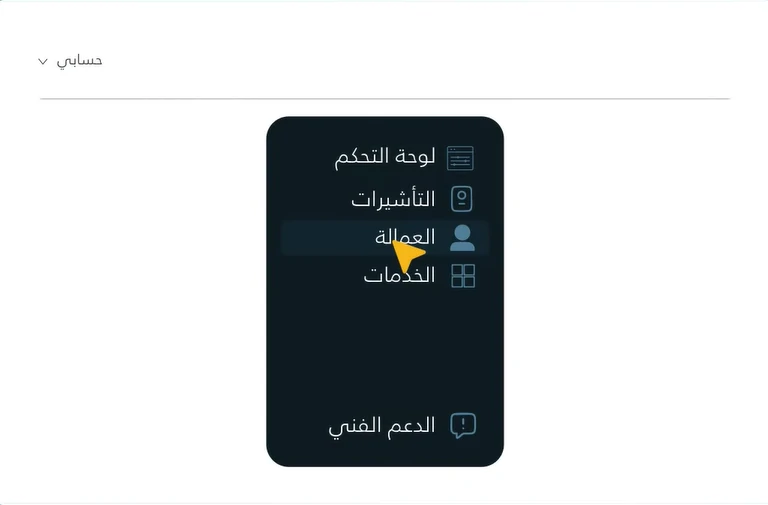
- Navigate to the “Domestic Workers” section.
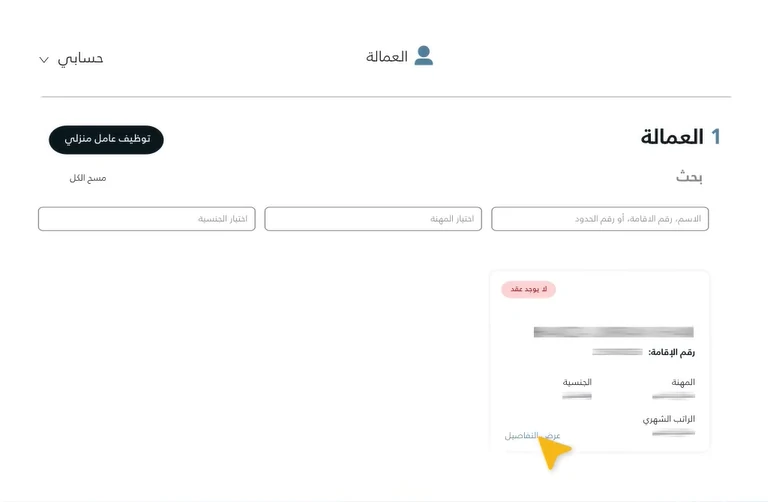
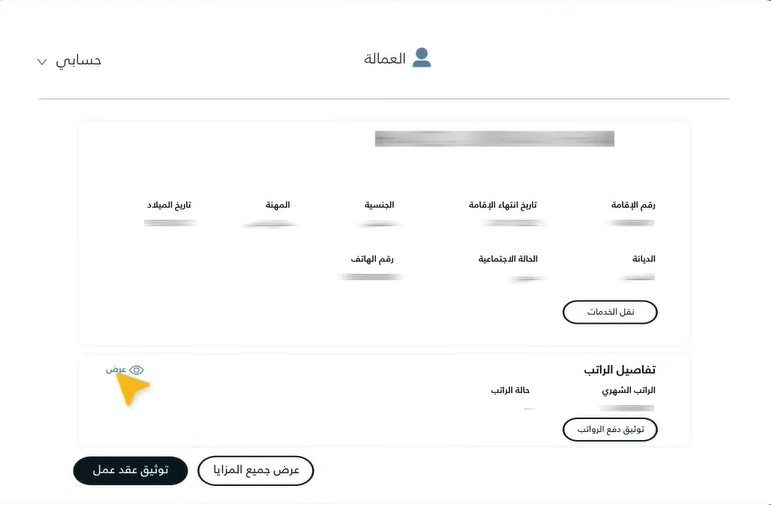
- Find the domestic helper whose salary payment you want to document, then click “View Details.”
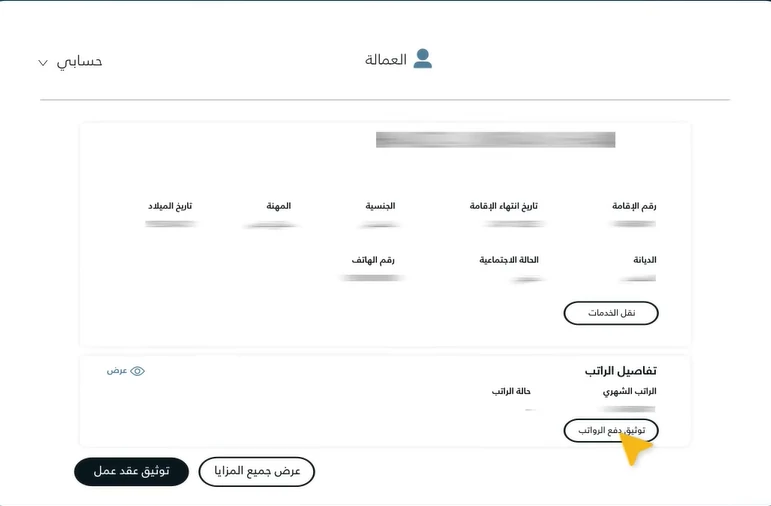
- Click the “Document Salary Payments” option.
- Complete all the requested fields accurately, then click “Submit.”
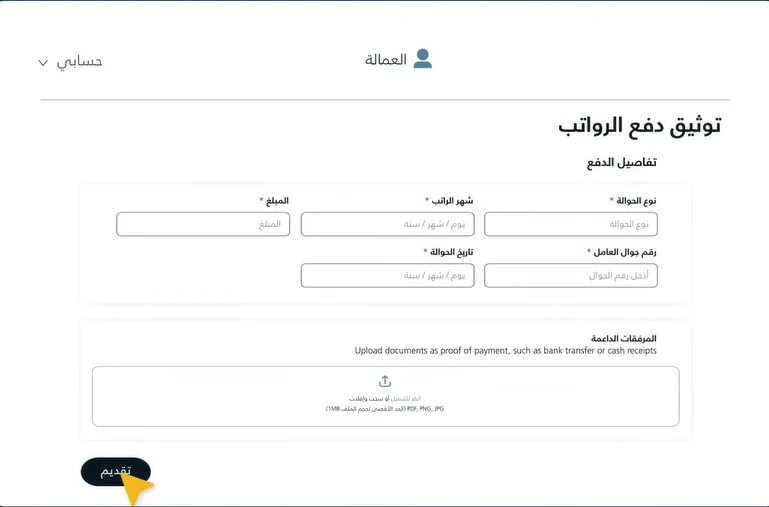
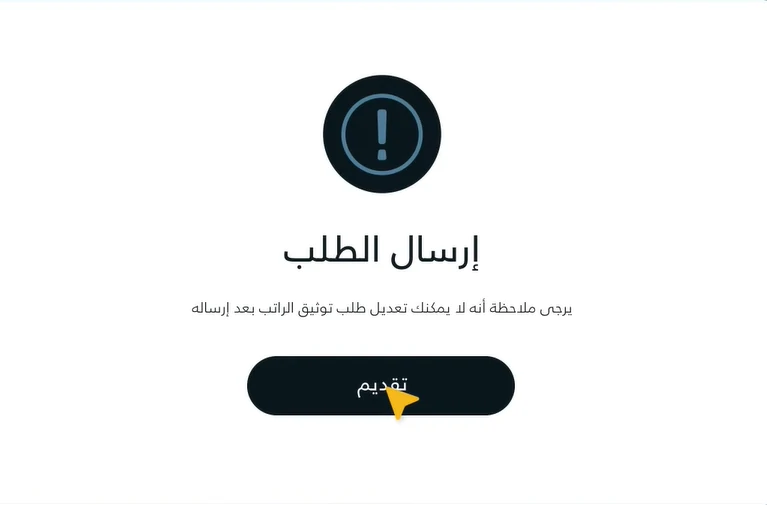
- When the confirmation message appears, click “Submit” again to complete the process.
- Click “View” to check the documentation status for the current month and previous months.
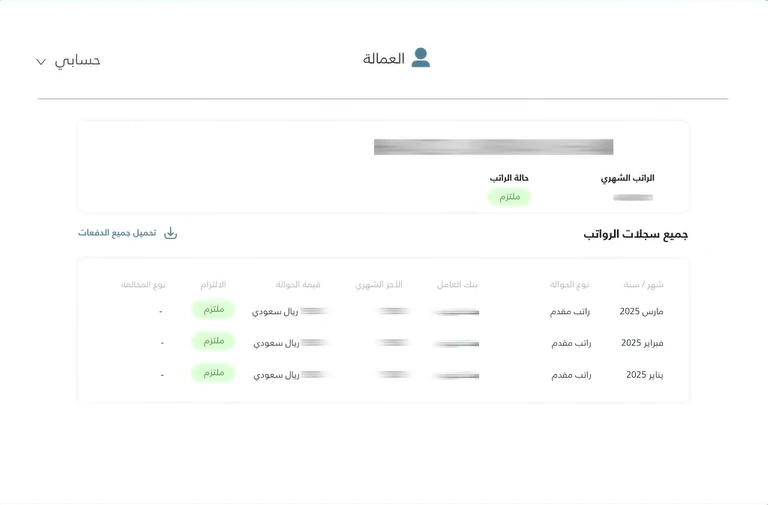
- Review the displayed details of salary payments previously documented through Musaned to keep your records up to date.
Additional Financial Obligations for Sponsors
Understanding the financial responsibilities associated with the Saudi Arabia domestic helper salary helps employers prepare for the full cost of hiring and employing a domestic worker. Depending on applicable Saudi regulations and the employment contract, the employer may be responsible for the following expenses:
- The employer is generally responsible for applicable recruitment, visa, and agency fees and must not unlawfully charge the domestic worker these costs.
- The employer is responsible for renewing the worker’s residency permit and paying applicable work permit and renewal fees within the required deadlines.
- Employers must meet their applicable obligations regarding suitable accommodation, food, and clothing throughout the employment period.
- Employers must comply with applicable requirements for medical care, necessary examinations, and emergency treatment for domestic workers.
- Applicable obligations may include health insurance, the costs of repatriation, and expenses related to returning the worker to their home country under the relevant regulations.
- Employers must pay the agreed domestic helper salary on time and through the required payment methods, maintaining appropriate payment records.
- Employers may need to cover applicable transportation and logistical expenses associated with recruitment, employment arrangements, or fulfilling their legal obligations.
Read also: Conditions for issuing a domestic worker visa
FAQ
Do Recruitment Agencies Set Wage Rates?
Recruitment agencies can influence the overall hiring cost through their recruitment fees and service charges, but they do not determine the Saudi Arabia domestic helper salary. The monthly salary is agreed upon by the employer and domestic worker, in accordance with applicable Saudi labor regulations and the relevant platform policies.
When Are Salary Deductions Legally Allowed?
A deduction from the Saudi Arabia domestic helper salary is permitted only in specific circumstances, such as recovering an outstanding advance or enforcing a court judgment, subject to applicable regulations. According to the stated Musaned guidance, deductions must not exceed the legal limit of one-quarter of the monthly salary.
What are the Penalties for Delayed or Unpaid Wages?
Failure to pay the Saudi Arabia domestic helper salary may expose the employer to financial penalties of up to SAR 2,000, restrictions on recruiting additional domestic workers and the transfer of the worker to another employer, alongside formal legal procedures to protect the worker’s rights.
How Does Musaned Track Wage Protection?
The Musaned platform documents domestic worker contracts, facilitates electronic salary transfers and maintains official payment records to protect both employers’ and workers’ rights. These services enhance transparency and simplify salary tracking, contract renewals, complaint procedures and employment follow-ups related to the Saudi Arabia domestic helper salary.
Is an End-of-Service Bonus Mandatory?
A domestic worker in Saudi Arabia is entitled to an end-of-service bonus equivalent to one month’s salary after completing four consecutive years of service, subject to applicable regulations. The employer must settle all outstanding entitlements upon the lawful termination of the employment contract, including any unpaid Saudi Arabia domestic helper salary.
Saudi Arabia domestic helper salary: Plan Your Budget with Wafd
Understanding the Saudi Arabia domestic helper salary helps you plan your budget and make confident recruitment decisions.
With Wafd, you can explore suitable domestic worker options, understand recruitment costs, and receive professional support throughout the hiring process. Whether you need a housemaid or a private driver, Wafd is ready to help you find the right solution for your household.
Contact Wafd today at 920004178 or on WhatsApp at 966504380200 and take the next step toward a smooth and reliable domestic worker recruitment experience.